Movie Trailers Seem To Be False Advertising
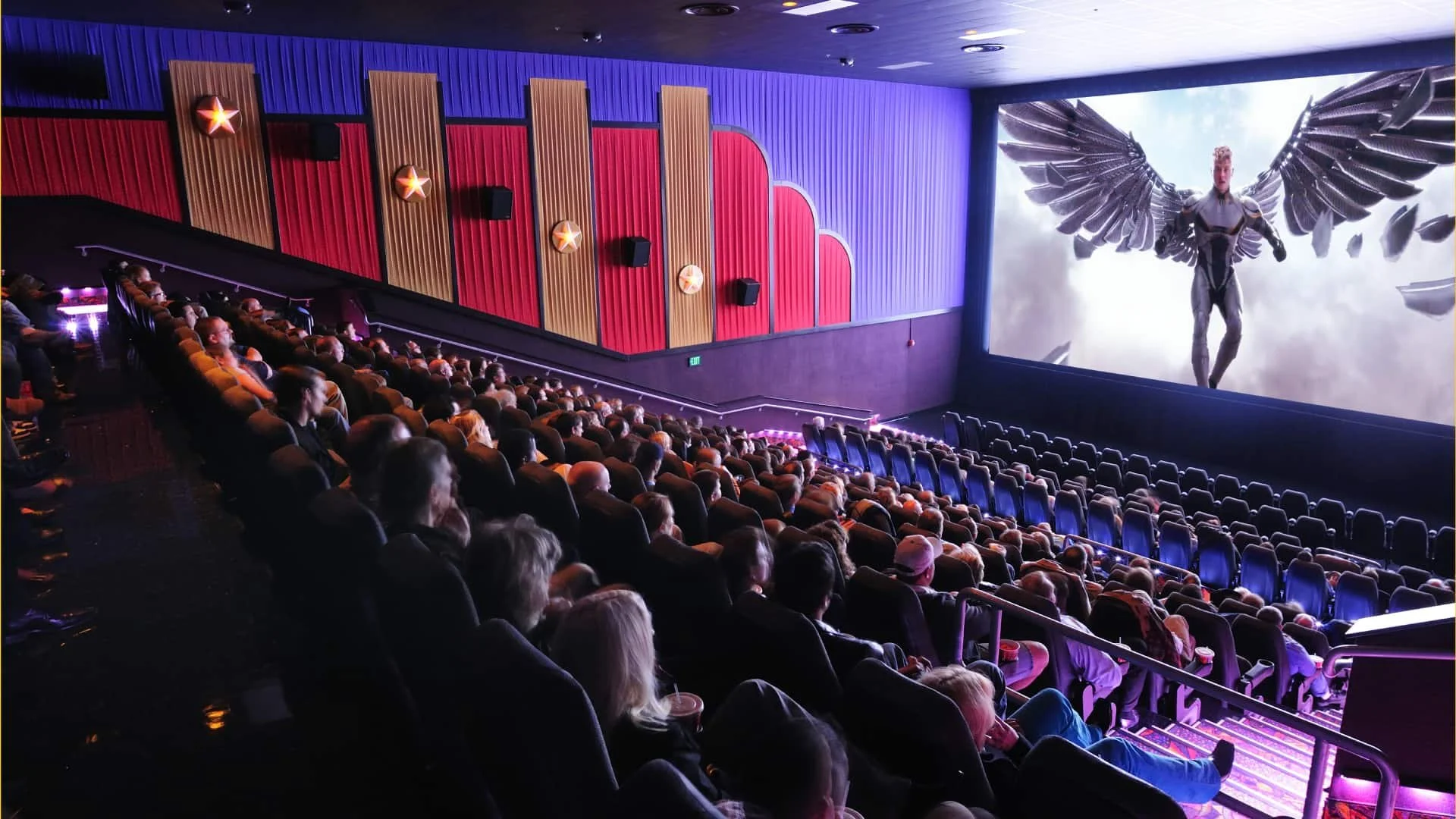
Modern Hollywood trailers frequently cross the line from persuasive marketing into misleading representation, often promising scenes, stars, or tones that the final film does not deliver. This practice has prompted legal challenges and growing public distrust.
Movie trailers have evolved from brief previews into sophisticated marketing artifacts designed to maximize opening‑weekend revenue. Studios now engineer trailers to generate viral attention and emotional hooks, sometimes at the expense of accurately representing a film’s content. This essay examines how trailers mislead audiences, the mechanisms that enable such misrepresentation, and the emerging legal and ethical responses.
Historical Context
Trailers once served as modest announcements; today, they are central to a film’s commercial strategy. The shift reflects changes in distribution economics, the rise of social media, and the premium placed on first‑week box office performance. Because a successful trailer can determine a film’s financial fate, marketing teams are incentivized to prioritize attention over fidelity. This commercial pressure helps explain why trailers increasingly emphasize spectacle, star power, and emotionally charged moments that may not survive final edits.
Mechanisms of Misrepresentation
Trailers mislead in several recurring ways. Studios sometimes include footage cut from the final film, spotlight minor characters as if they were leads, and re‑edit scenes to imply relationships or plotlines that do not exist. These tactics create a narrative in the trailer that is distinct from the film itself. High‑profile examples include trailers that prominently featured actors whose scenes were later removed and marketing campaigns that overstated a performer’s screen time. Such practices exploit viewers’ reasonable expectation that a trailer reflects the finished product.
Legal and Ethical Implications
Courts are beginning to treat trailers as commercial speech subject to consumer‑protection laws when they materially mislead viewers. In recent litigation, plaintiffs argued that trailers induced purchases by implying actor participation or plot elements that were absent from the released film. Judges have recognized that implied claims in advertising can be actionable and that consumers may have standing when they purchase a product based on misleading marketing. This legal shift signals that creativity in promotion does not grant carte blanche to deceive. Conversations have been sparked by movies like “Yesterday” (2019), “Dune” (2021), and “Suicide Squad” (2016), where the trailers didn’t match the movie, which created a legal issue amongst audiences.
Consequences and Recommendations
The short‑term gains of misleading trailers come with long‑term costs. Eroded audience trust, reputational damage, and increased litigation risk threaten studios’ social license to market aggressively. To restore balance, studios should adopt clearer disclosure practices, avoid using deleted footage in promotional materials, and align marketing narratives with the film’s substantive content. Regulators and industry bodies could issue guidelines clarifying when a trailer’s representations cross into deception.
Modern trailers occupy a fraught space between art and commerce. While compelling previews are a legitimate part of film promotion, there is a growing consensus that trailers must not materially misrepresent a film’s cast, plot, or tone. As courts and consumers push back, Hollywood faces a choice: continue short‑term hype tactics or rebuild trust through more honest marketing.