Unlocking the Future: What Every Film Studio Must Include in Its 5-Year Vision

Hollywood is undergoing significant transformations driven by technological advancements, changing audience preferences, and evolving distribution methods. Here are some detailed observations about where the industry is headed and how studios can adapt to these changes. Future writings will dive deeper into these topics, but for now, these are some steps that Studios should be considering when making a 5-year plan. The text will be broad with descriptions, but it will be said toward a generic audience, but also toward the Studios directly. This book is not foolproof, and it will not guarantee success as our world changes every day, but due to trends this past decade, this is where it feels like it is going. Some of the topics listed below are already happening, but even if it is happening, it needs to continue to happen to ensure that the entertainment industry thrives.
1. Digital Streaming Dominance
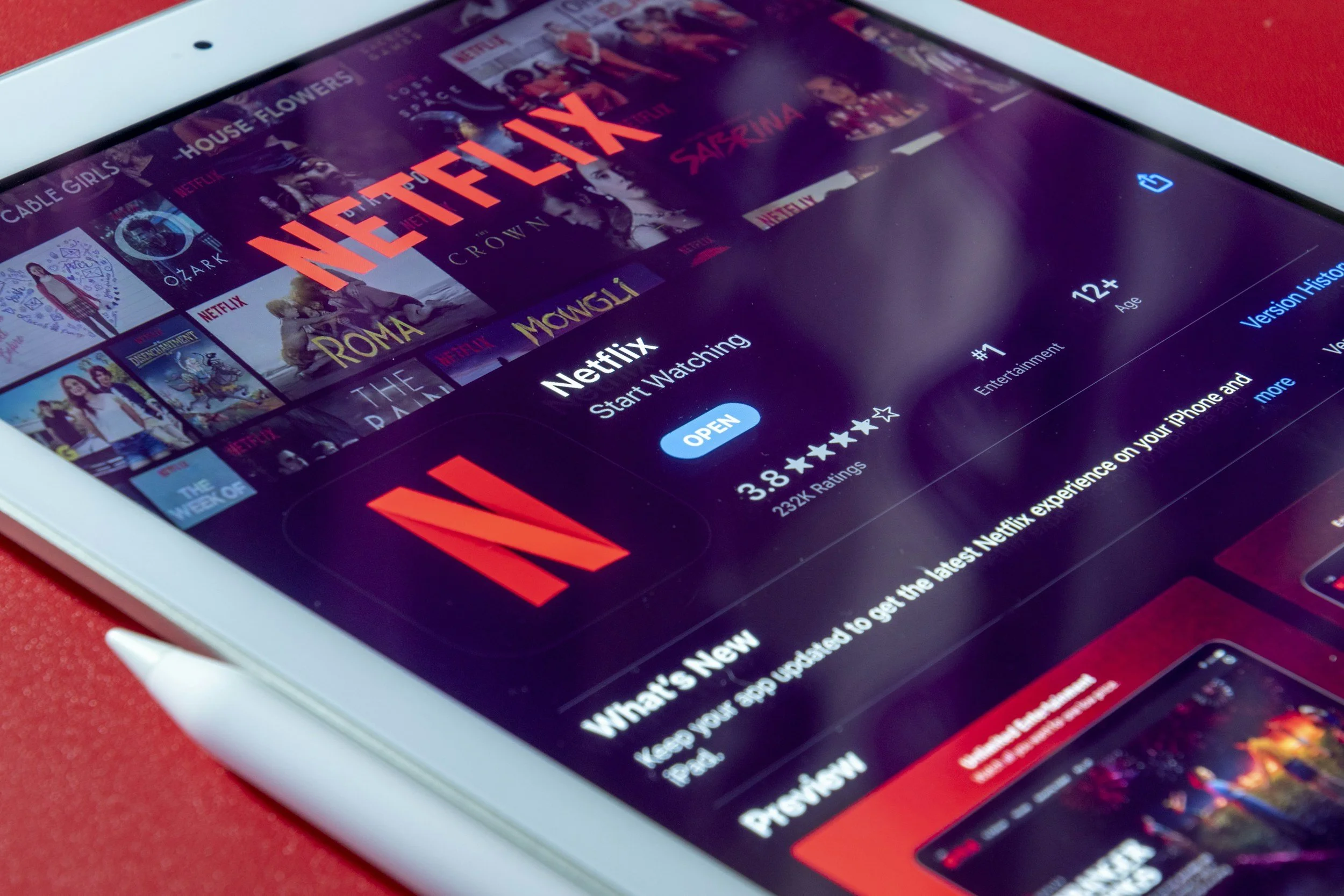
The shift from traditional cable to streaming platforms reshapes how content is consumed. With more viewers opting for on-demand services, studios should prioritize creating high-quality, original content tailored for streaming. This includes:
- Investing in Serialization: Developing series with compelling stories that encourage binge-watching and also releasing episodes weekly can help studios retain subscribers so that they don’t feel like canceling and maybe coming back. We are in the day and age where people want to choose to binge or wait for an episode every week, so it is ideal to do both for new series. The goal is to keep the audience year-round. In reality, this will never happen for every subscriber, but to stay balanced is key. Streaming platforms must ensure that the curve of losing and gaining subscribers is a healthy balance, but obviously, studios want more gain than losses.
- Global Content: Understanding and addressing international audiences by producing diverse content in various languages can significantly expand market reach. The Big Five studios(Disney, Universal, Warner Bros., Paramount, and Sony) excel in this area, and other smaller studios are beginning to follow suit. There is a growing focus on international content, which is crucial for maximizing the potential of streaming platforms. Catering exclusively to one country, such as the U.S., limits profit opportunities. Additionally, it is important to launch streaming platforms in other countries while offering a diverse and inclusive range of content.
2. Emphasis on Interactive Content

Emerging technologies like virtual reality (VR) and augmented reality (AR) are creating new opportunities for storytelling. Studios can prepare by:
- Exploring New Formats: Exploring opportunities to invest in interactive storytelling projects that captivate audiences through innovative formats, particularly those resembling choose-your-own-adventure narratives. These formats allow participants to actively influence the direction of the story, creating a personalized experience that deepens engagement and immersion. By leveraging digital platforms and technology, these projects can weave rich, branching narratives that adapt to the choices made by the audience, fostering a sense of agency and involvement. This approach not only enhances storytelling but also opens up new avenues for creative expression and audience interaction, making each experience unique and memorable.
- Experimenting with Gaming: Collaborating with leading gaming companies to develop innovative cross-platform experiences that seamlessly integrate the immersive storytelling of film with the interactive elements of gaming. This partnership involves designing unique narratives that can be experienced both in cinematic form and as interactive gameplay, allowing audiences to engage with characters and storylines in deeper, more meaningful ways. We aim to leverage cutting-edge technology and creative expertise to create products that appeal to both film enthusiasts and gaming aficionados, thus expanding the reach of our stories across multiple formats and enhancing the overall user experience. By aligning the strengths of both industries, we can craft engaging worlds that captivate and retain players’ attention long after they’ve put down the controller or left the theater.
3. Sustainable Production Practices

As audiences become more environmentally conscious, studios need to adopt sustainable practices. This could involve:
- Green Filmmaking Initiatives: Utilizing eco-friendly materials and promoting sustainable practices on set involves a comprehensive approach to reduce the environmental impact of film and television productions. This can include using biodegradable or recyclable set materials, such as sustainably sourced wood, recycled plastics, and non-toxic paints and finishes.
Additionally, implementing a plan for waste management is crucial. This might involve organizing recycling stations, composting organic waste from catering, and responsibly disposing of any materials that cannot be reused or recycled.
Furthermore, using energy-efficient lighting and equipment can significantly lower the carbon footprint during shoots. Solar-powered generators and LED lights not only save energy but also create a healthier environment for the cast and crew. Lighting can be a bit dicey as incandescent lights are still a way to go for productions because of the look and feel of this type of lighting, but if productions can use LED it should be considered. Examples include musical performances, reality television, and possibly game shows. These types of shows can get away with the “LED” look because the audience might not care as much versus a multi-camera show where audiences can tell and make a HUGE difference.
Promoting sustainable practices also means considering transportation options, such as encouraging carpooling, using electric vehicles for equipment transport, or selecting locations that minimize travel distances.
4. Diversity and Inclusion

The push for more representation across gender, race, and sexuality in Hollywood is critical for future success. Forward-thinking is what audiences want to see, but on the other hand, it cannot be forced, which is what Studios are facing right now.
- Support Diverse Talent: Invest in projects led by or featuring underrepresented voices both in front of and behind the camera. Ensuring that diverse stories are told by individuals who share those experiences allows for more authentic narratives. When underrepresented voices are involved in the creative process — whether as directors, writers, producers, or actors — the stories tend to be richer, more nuanced, and reflective of a broader spectrum of human experience.
- Inclusive Storytelling: Create narratives that reflect a wide range of experiences and perspectives to connect with larger audiences. Introduce characters from different backgrounds, cultures, and social experiences. Their individual stories can illustrate broader themes, allowing readers to empathize with experiences outside their own. For instance, a narrative could center on a refugee’s journey alongside a local community member’s response to the influx of newcomers.
Aim to include voices that are often marginalized or overlooked. This could mean showcasing the perspectives of women, LGBTQ+ individuals, people with disabilities, and cultural minorities. By doing so, you enrich the narrative tapestry and invite a wider audience to engage with the story.
5. Data-Driven Decision Making
The use of big data analytics to understand viewer preferences and trends will become essential. Studios can:
- Utilize Viewer Insights: To effectively analyze streaming data and determine what content resonates with different demographic groups, start by collecting user interaction metrics such as viewing habits, ratings, and engagement statistics like likes and comments. Once you have this data, segment your audience by key demographics like age, gender, and location to create distinct user profiles. Next, examine content attributes — such as genre, format, language, and themes — to identify trends that appeal to specific groups. Evaluate engagement metrics, including completion rates and social media interactions, to see how different demographics respond to various content. Implement machine learning models to predict user preferences based on historical behavior, which can enhance personalized recommendations. feedback loop for users to express their preferences through ratings and reviews, providing qualitative insights that complement your quantitative analysis. With these insights, tailor your offerings through targeted marketing campaigns, original content production, or personalized playlists. Continuously monitor content performance to adapt to changing trends and ensure relevance. By following this streamlined approach, streaming platforms can better satisfy user preferences and drive engagement and retention across diverse audiences.
- Feedback Loops: Establish channels to gather audience feedback on trailers and promotional material before full releases to refine marketing strategies. Feedback loop expresses their preferences through ratings and reviews, providing qualitative insights that complement your quantitative analysis. With these insights, tailor your offerings through targeted marketing campaigns, original content production, or personalized playlists. Continuously monitor content performance to adapt to changing trends and ensure relevance. By following this streamlined approach, streaming platforms can better satisfy user preferences and drive engagement and retention across diverse audiences.
6. Agile Marketing Strategies

As the media landscape changes rapidly, flexible marketing strategies are key. Studios should consider:
- Real-Time Engagement: Leveraging social media for real-time interactions has become a game-changer for brands aiming to engage effectively with their audience. By monitoring trending topics and conversations, businesses can craft timely and relevant marketing content that resonates with their target demographic. This approach not only enhances brand visibility but also fosters a sense of community and connection among followers. Real-time engagement allows brands to respond to customer inquiries, address concerns, and participate in conversations, thereby building trust and loyalty. Additionally, creating content that aligns with current trends ensures that marketing efforts remain dynamic and relatable, ultimately driving higher engagement rates and increasing the likelihood of conversions.
- Influencer Collaborations: Partnering with influencers and content creators has become a pivotal strategy for brands looking to reach new audiences effectively. By collaborating with individuals who have established trust and credibility within their communities, brands can create authentic promotional campaigns that resonate deeply with potential customers. These influencers not only provide a platform to showcase products and services but also contribute their unique perspectives, making promotions feel more genuine and relatable. This approach allows brands to leverage the creativity and creativity of content creators, fostering a connection that can lead to increased engagement and conversion rates. Furthermore, by tapping into diverse follower demographics, businesses can position themselves in front of targeted audiences that they may not have reached through traditional marketing channels. Overall, this strategy not only enhances brand visibility but also cultivates a lasting relationship with consumers built on authenticity and mutual benefit.
7. Adapting to AI and Technology

With the rise of AI applications in content creation and marketing, studios can stay ahead by:
- Adopting AI Tools: The integration of AI in the film and television industry has revolutionized various aspects of production, particularly in script analysis, talent casting, and editing processes. By employing advanced algorithms, AI can analyze scripts to identify key themes, character arcs, and potential audience engagement, helping writers refine their narratives. In talent casting, AI can match actors with roles based on their previous performances and audience reactions, ensuring a more informed and efficient selection process that aligns with the creative vision of directors. Furthermore, AI tools in the editing room can streamline workflows, assisting editors in quickly sorting through footage and providing suggestions for pacing and transitions, ultimately enhancing the creative process and saving valuable time and resources in production. This innovative approach not only enhances creative decision-making but also allows for a more dynamic and responsive production environment.
- Creative Collaborations: Embracing AI as a tool for enhancing creativity opens up exciting possibilities for storytelling. Rather than viewing AI as a competitor or a replacement for human creativity, it can be seen as a collaborative partner that offers new insights and innovative techniques. This approach encourages writers, filmmakers, and artists to explore uncharted territories, pushing the boundaries of traditional narratives. With AI’s ability to analyze patterns and generate ideas, creators can experiment with diverse storytelling structures, character developments, and thematic explorations. By combining human intuition and emotional depth with AI’s data-driven capabilities, artists can unlock fresh avenues for expression, enriching the storytelling experience for audiences and themselves alike.
By proactively addressing these trends, Hollywood can not only survive the evolving landscape but thrive within it. Strategic planning, innovation, and responsiveness to audience needs will be critical to ensuring success in the coming years.